
 Pin it
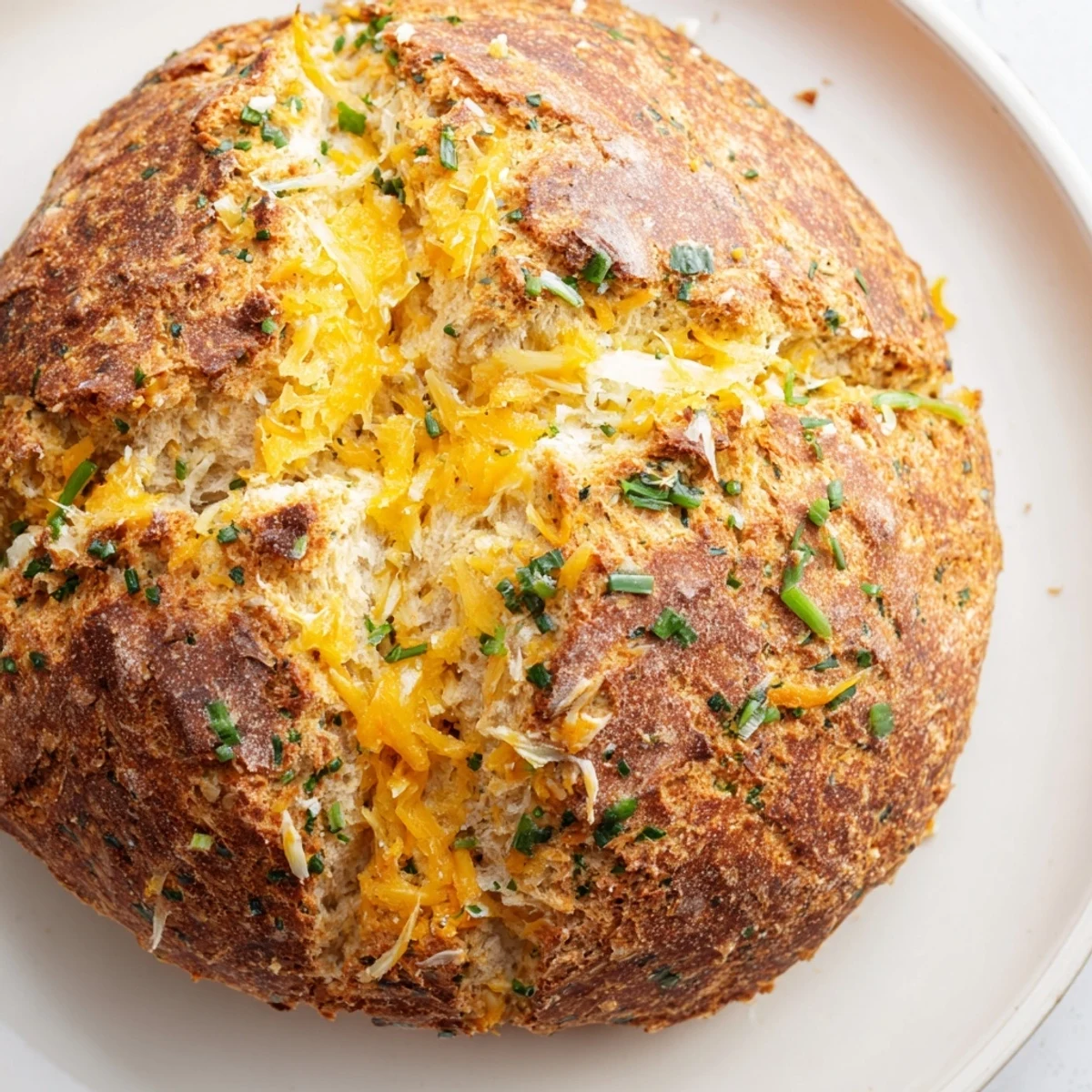
 This rustic British-style soda bread comes together in just 15 minutes of active prep time. The combination of sharp cheddar cheese creates rich, savory pockets throughout the tender crumb, while fresh chives, parsley, and thyme add aromatic depth. Unlike yeast breads, this quick version relies on baking soda for lift, making it accessible for bakers of any skill level.
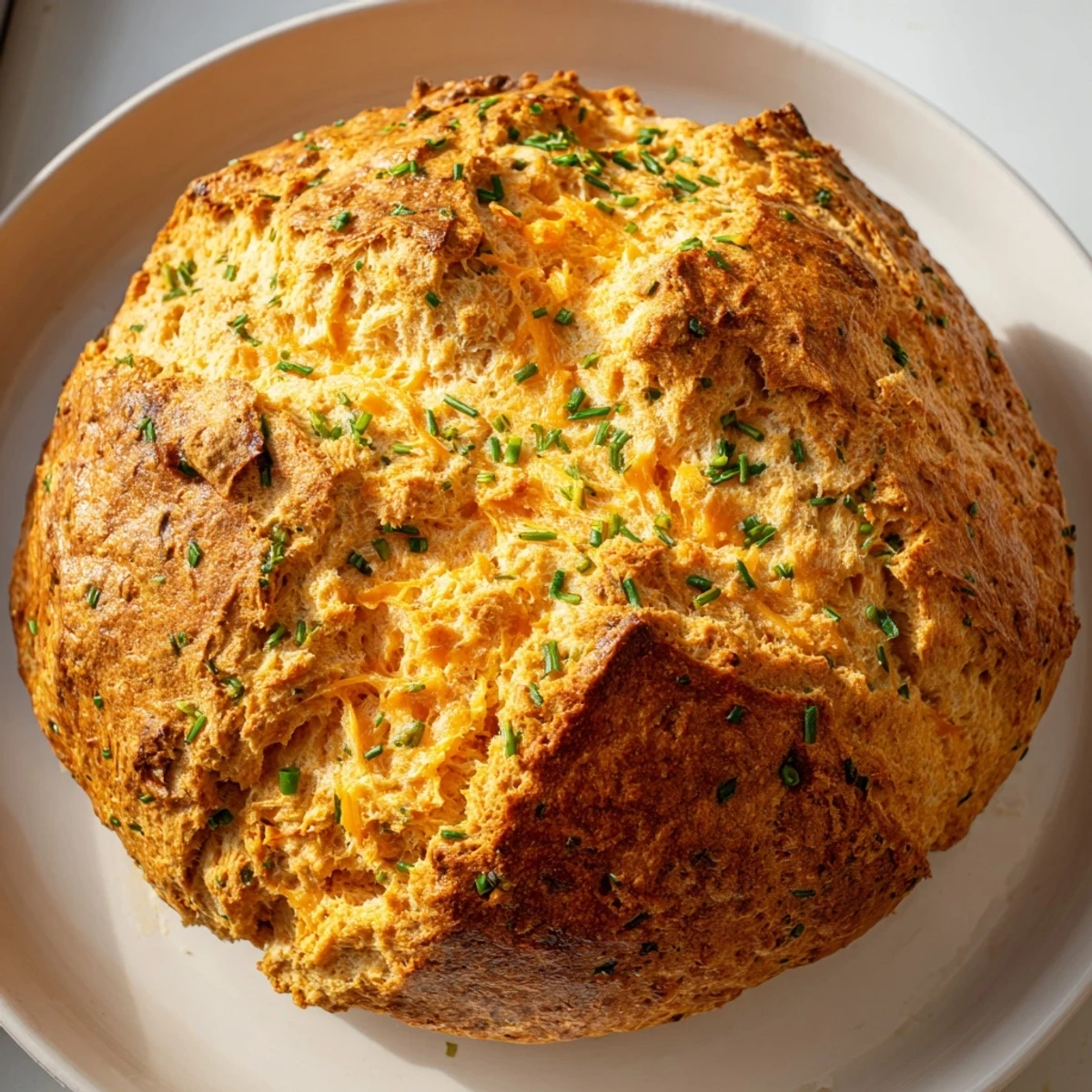
The result is a golden, crusty exterior with a soft, flavorful interior that's perfect alongside hearty soups, roasted vegetables, or simply spread with salted butter. The traditional cross cut into the top helps the bread bake evenly and creates that classic soda bread appearance.
The first time I made cheddar soda bread, my tiny apartment kitchen smelled like an Irish farmhouse. The cheese hit the hot oven and that sharp, savory aroma wrapped around everything. My roommate poked her head in, asking what bakery I'd secretly opened. That's when I knew this bread was something special.
Last winter, during that snowstorm that kept us inside for three days, I made this bread every single morning. Something about the ritual of stirring together flour and herbs, cutting that cross in the dough, made the house feel warmer than the furnace ever could. We ate it with tomato soup, we ate it plain, we ate it standing up at the counter.
Ingredients
- 3 ½ cups all-purpose flour: The backbone of your bread, providing structure and that rustic crumb we love
- 1 tsp baking soda: This is your leavening agent, creating those lovely airy pockets without needing yeast
- 1 tsp salt: Essential for flavor balance and helps the cheese really sing
- 1 tsp freshly ground black pepper: Adds a gentle warmth that complements the sharp cheddar perfectly
- 1 ½ cups sharp cheddar cheese, coarsely grated: The star of the show, use the sharpest cheddar you can find
- 3 tbsp fresh chives: Brings a mild onion flavor that rounds out the herb profile
- 2 tbsp fresh parsley: Adds brightness and a fresh grassy note to cut through the richness
- 1 tbsp fresh thyme leaves: Earthy and aromatic, thyme pairs beautifully with both cheese and bread
- 1 ⅔ cups buttermilk: Creates tenderness and a subtle tang, plus reacts with baking soda for lift
- 2 tbsp unsalted butter, melted: For brushing the top, giving you that gorgeous golden finish
Instructions
- Preheat and prepare:
- Heat your oven to 425°F and line a baking sheet with parchment paper, or dust it lightly with flour for a more rustic bottom crust
- Mix the dry ingredients:
- Whisk together flour, salt, baking soda, and black pepper in a large bowl until everything is evenly distributed
- Add the cheese and herbs:
- Toss in the grated cheddar, chives, parsley, and thyme, mixing gently to coat everything in flour
- Combine wet and dry:
- Make a well in the center, pour in buttermilk and melted butter, then stir with a fork until dough just comes together—some floury patches are okay
- Shape the loaf:
- Turn dough onto a floured surface and gently shape it into a round about 7 inches across and 2 inches high, handling it as little as possible
- Score and brush:
- Transfer to your prepared baking sheet, cut a deep cross on top with a sharp knife, and brush with extra melted butter if you like
- Bake until golden:
- Bake for 30–35 minutes until deeply golden brown and the loaf sounds hollow when tapped on the bottom
 Pin it
 My grandmother would slip extra cheese into everything she baked, claiming it was her secret to getting anyone to eat anything. This soda bread feels like her spirit baked into a loaf, simple but utterly impossible to stop eating.
Choosing Your Cheese
I've learned that pre-shredded cheese just doesn't work as well here. Grab a block of sharp cheddar and grate it yourself—the texture matters. The cheese will melt into those glorious puddles we're after. Smoked cheddar creates an entirely different but equally wonderful experience.
Fresh Versus Dried Herbs
Fresh herbs really do make a difference in this bread. Their oils are more vibrant and they distribute better through the dough. That said, I've definitely made this with dried herbs in a pinch, and it still disappears just as fast. Use about one-third the amount if going dried.
Serving Ideas That Work
This bread deserves to be the star of your table, but it plays nicely with others too. I love it alongside a hearty vegetable soup or split and toasted for an incredible breakfast base. It transforms into the most indulgent grilled cheese you've ever had.
- Wrap it tightly and it'll keep for two days, though good luck making it last that long
- Slice it thick and toast leftovers, they're even better the next day
- Freeze individual slices wrapped well, then reheat in the oven for a quick treat
 Pin it
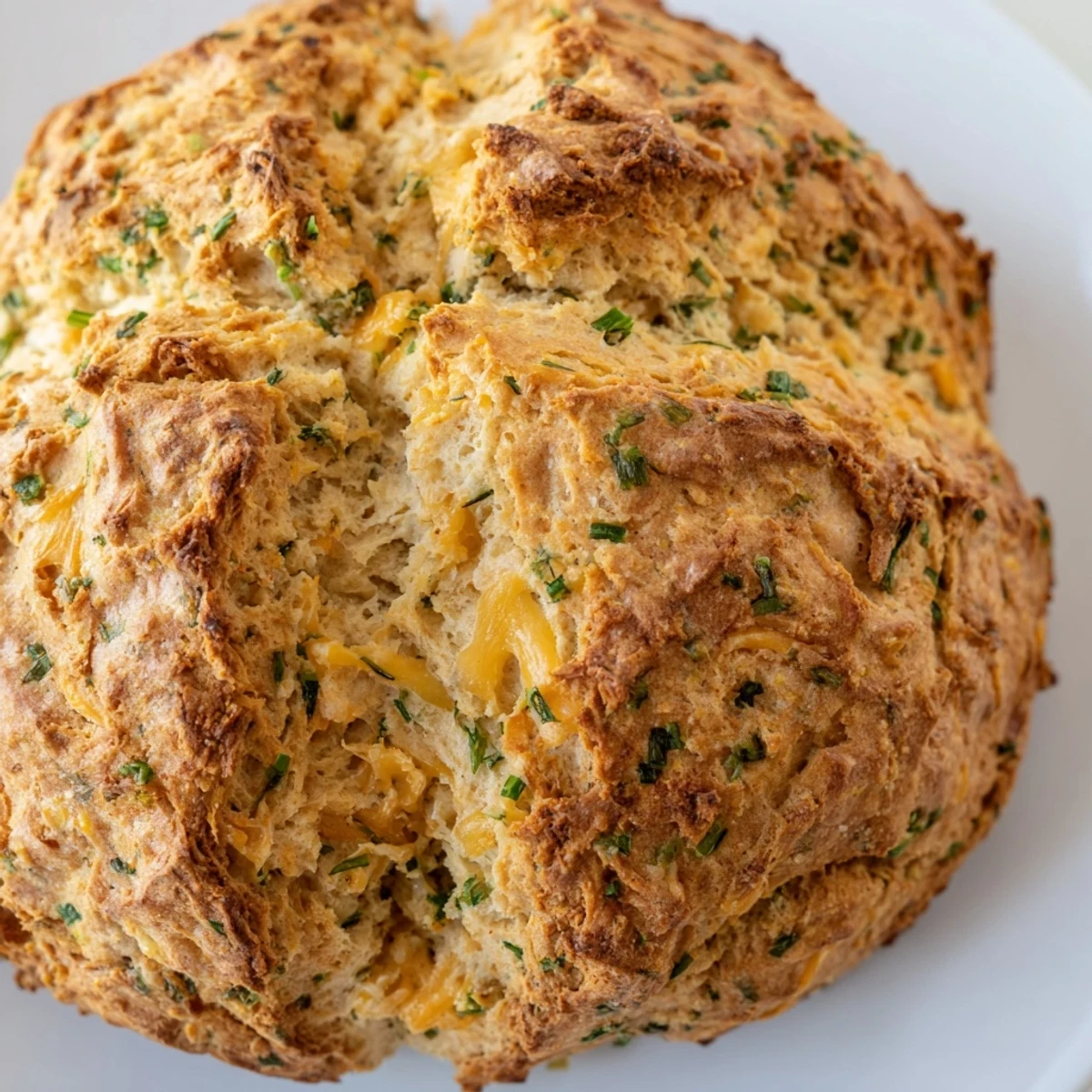
 There's something deeply satisfying about bread that requires so little effort but delivers so much comfort. Pull this warm loaf from the oven and watch your kitchen fill with the best kind of anticipation.
Recipe FAQs
- → What makes soda bread different from regular bread?
-
Soda bread uses baking soda as a leavening agent instead of yeast, which means no rising time is needed. This makes it much faster to prepare—perfect for when you want fresh bread without the hours of waiting.
- → Can I use dried herbs instead of fresh?
-
Yes, you can substitute dried herbs. Use roughly one-third the amount of fresh herbs called for in the recipe. For example, use 1 tablespoon of dried thyme instead of the fresh version.
- → What can I serve with cheddar herb soda bread?
-
This bread pairs beautifully with tomato soup, vegetable stews, or roasted dishes. It's also excellent for breakfast, toasted and topped with scrambled eggs or simply enjoyed warm with salted butter.
- → How should I store leftover soda bread?
-
Wrap the cooled loaf tightly in plastic wrap or place in an airtight container. It's best enjoyed within 2 days. You can also freeze slices wrapped individually for up to 3 months and toast them straight from frozen.
- → Why is buttermilk used in this recipe?
-
Buttermilk's acidity activates the baking soda, creating the rise that gives soda bread its characteristic texture. If you don't have buttermilk, you can make a substitute by adding 1 tablespoon of vinegar or lemon juice to regular milk and letting it sit for 5 minutes.
- → Can I make this dairy-free?
-
You can substitute the buttermilk with a plant-based alternative mixed with vinegar, and use vegan cheese and butter. The texture may vary slightly, but it will still be delicious.