
 Pin it
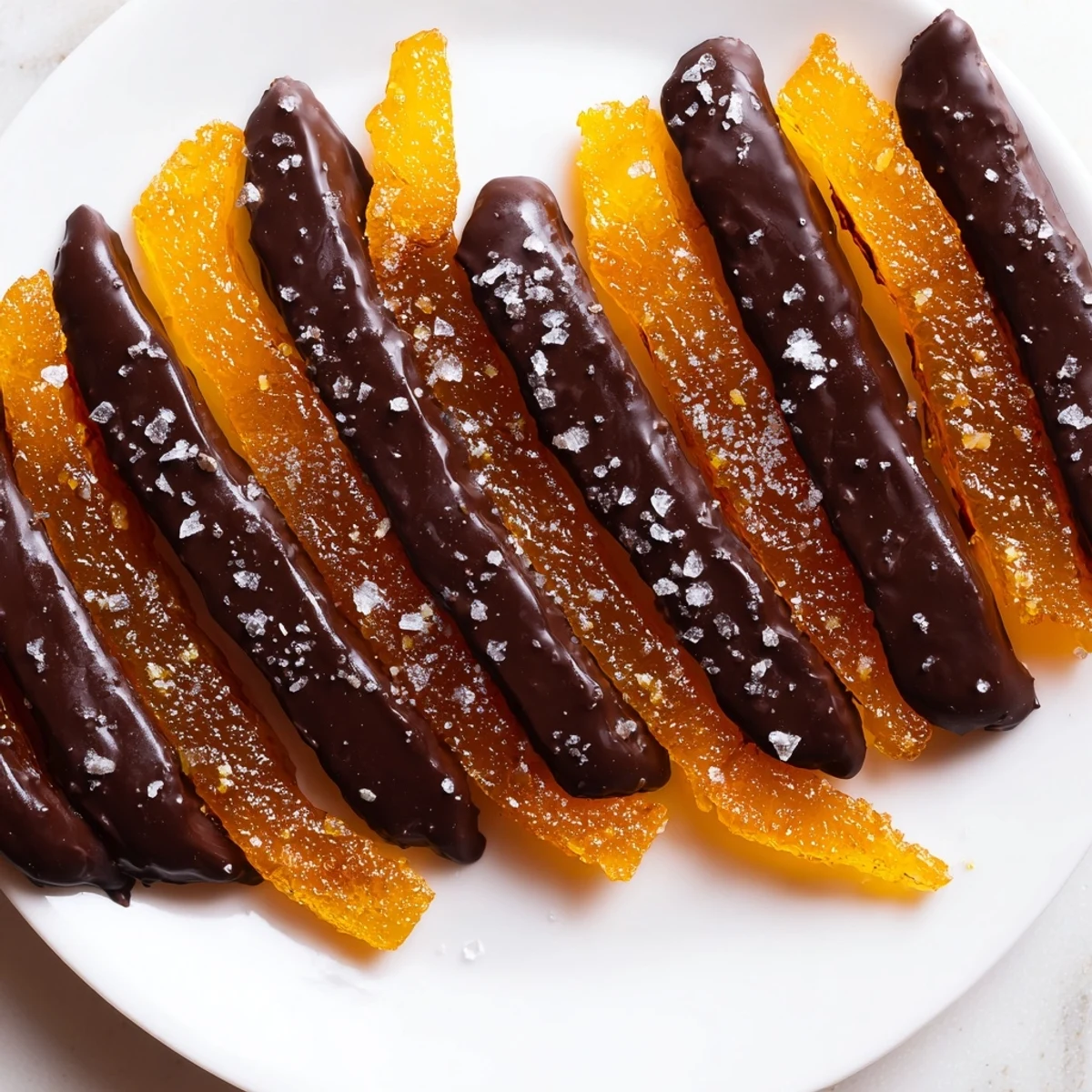
 These chocolate covered orange peels transform simple citrus into an elegant confection. Fresh orange peels are blanched to remove bitterness, then slowly simmered in sugar syrup until translucent and tender.
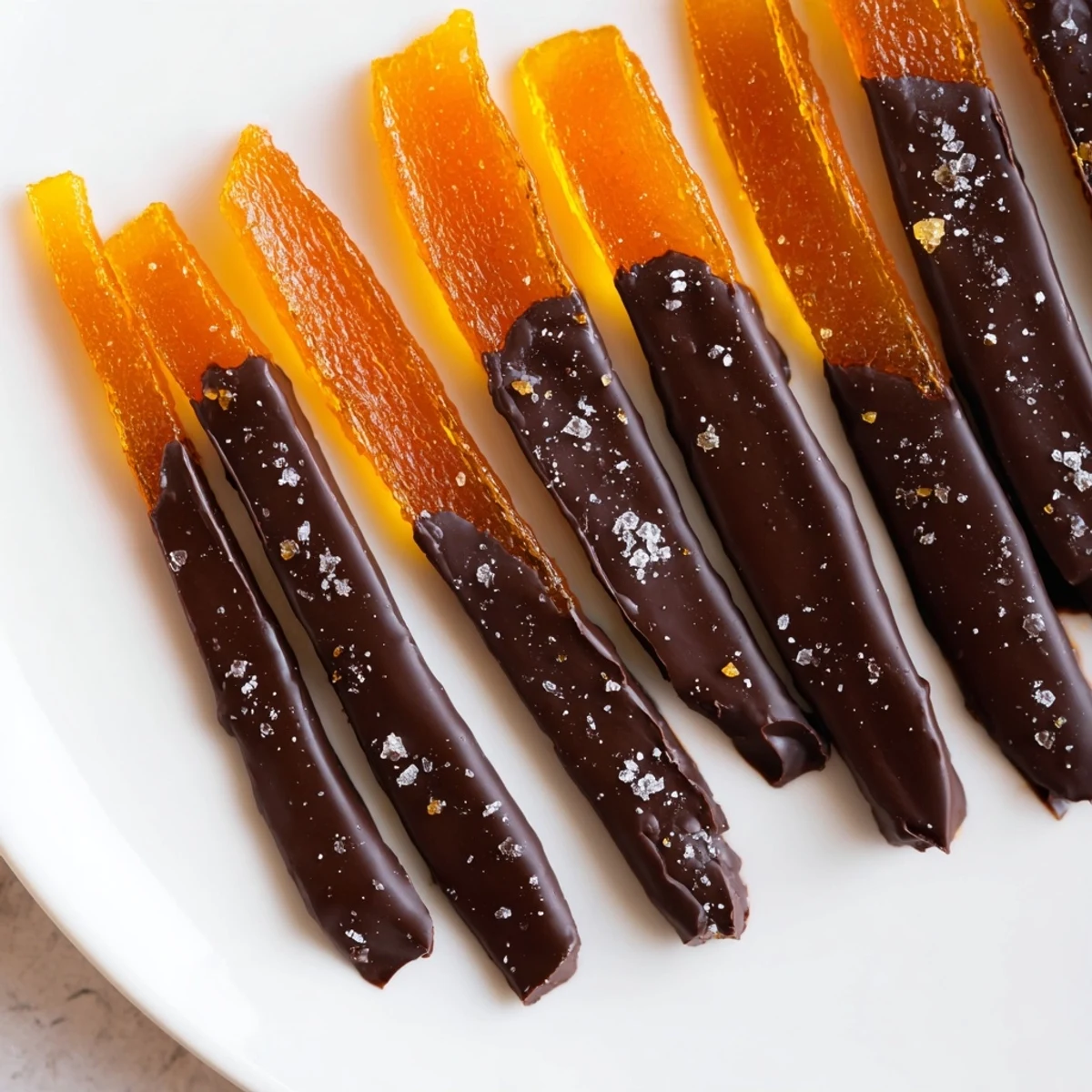
Once dried, each candied strip is dipped halfway into melted dark chocolate and left to set. A sprinkle of flaky sea salt adds the perfect finishing touch. The result is a beautiful balance of bright citrus sweetness and rich, slightly bitter chocolate.
They keep well in an airtight container for up to two weeks, making them ideal for homemade gifts during the holidays or any special occasion.
The smell of oranges and melting chocolate together is one of those things that stops you mid sentence. I discovered chocolate covered orange peels at a tiny European sweet shop years ago and spent weeks trying to recreate them at home. My first batch was a bitter, sticky mess, but something about the process hooked me completely. Now I make them every winter without fail.
I brought a tin of these to a holiday party once and watched a woman eat seven in a row while pretending to browse the snack table. She cornered me later for the recipe and now we trade batches every December.
Ingredients
- 3 large oranges: Use thick skinned navel oranges if you can find them, because more peel means more candy and a better chew.
- 1 cup granulated sugar: Standard white sugar works perfectly here, no need for anything fancy.
- 1 cup water: Combined with the sugar to create the syrup that transforms raw peels into translucent jewels.
- 200 g dark chocolate: Splurge on something above 60 percent cocoa since the bitterness balances the sugar beautifully.
- Flaky sea salt: An optional finishing touch that makes the chocolate sing and keeps the sweetness in check.
Instructions
- Prep the oranges:
- Wash them well under running water, then score the peel from top to bottom in four vertical lines. Peel off the sections carefully, aiming to keep a thin layer of white pith attached for texture.
- Cut into strips:
- Slice each peel section into strips roughly half a centimeter wide so they cook evenly and look polished.
- Blanch three times:
- Drop the strips into a saucepan of cold water, bring to a rolling boil for two minutes, then drain completely. Repeat twice more until the harsh bitterness mellows into something fragrant and warm.
- Make the syrup:
- Combine sugar and water in the same saucepan, stirring over medium heat until every grain dissolves and the liquid runs clear.
- Candy the peels:
- Slide the blanched strips into the syrup and let them simmer gently for forty minutes. Stir occasionally and watch them turn glassy and translucent, which is deeply satisfying.
- Let them dry:
- Lift the peels out with tongs and arrange them on a wire rack over parchment paper. Give them at least an hour to firm up and lose their tackiness.
- Melt the chocolate:
- Set a heatproof bowl over barely simmering water and stir the chocolate until it melts into a glossy pool with no lumps remaining.
- Dip and finish:
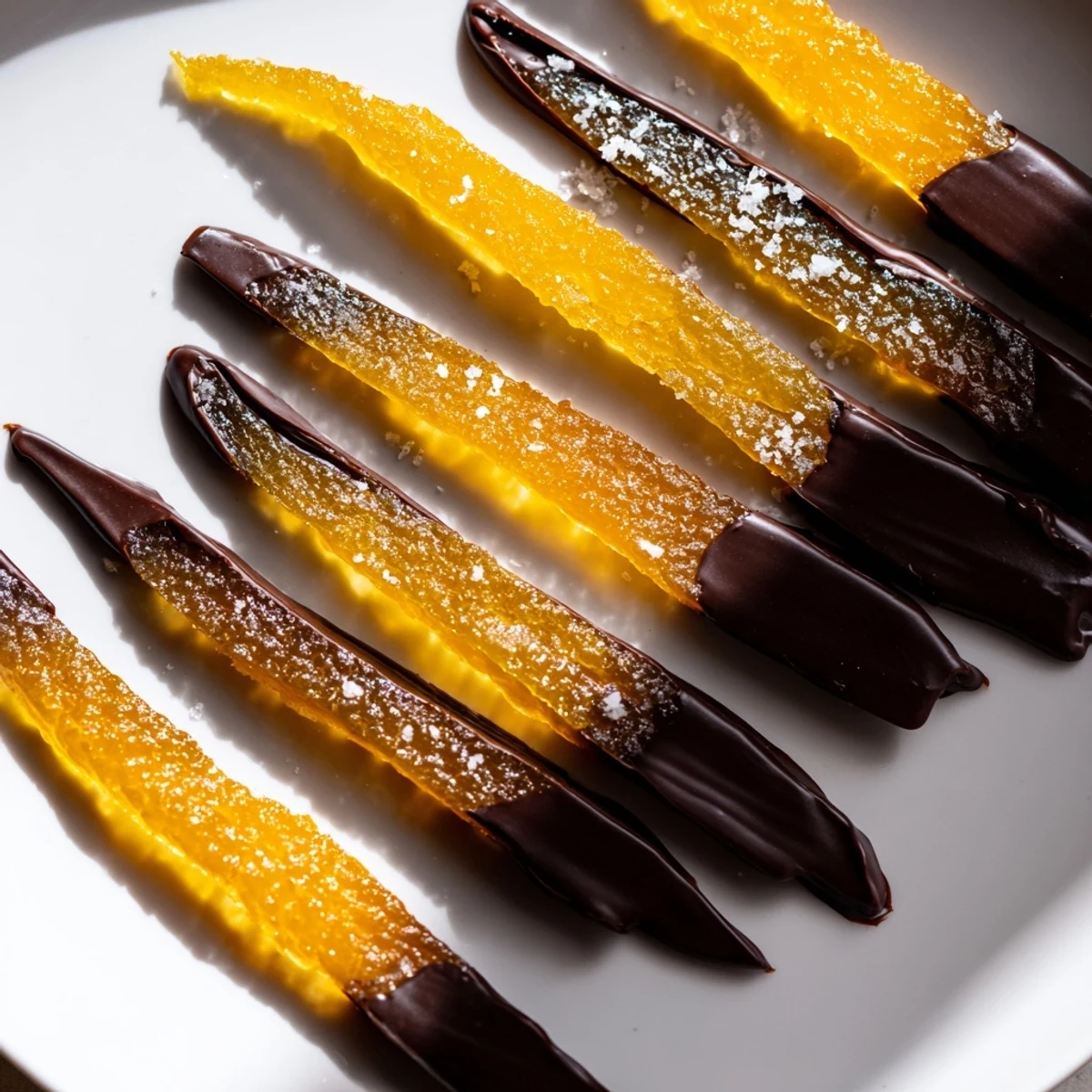
- Take each peel by one end and plunge it halfway into the chocolate, letting the excess drip off before laying it on parchment. Sprinkle with flaky salt and wait about thirty minutes for the coating to set.
 Pin it
 There is something meditative about standing at the counter, dipping strips one by one, watching each one become a tiny piece of art. I always end up with chocolate smears on my hands and somehow my forehead.
A Note on Tempering
If you want that professional snap and a finish so glossy it reflects light, tempering your chocolate is worth the extra effort. I use the seeding method with a handful of chopped chocolate bits stirred in at the end, and it works reliably. Untempered chocolate tastes just as good but tends to bloom with pale streaks after a day or two.
Storing and Gifting
Layer the finished peels between sheets of parchment inside an airtight container and they stay perfect at room temperature for two full weeks. I have mailed tins of these across the country during colder months and they arrived beautifully. Avoid refrigerating them because moisture spots will ruin the chocolate finish.
Citrus Variations Worth Trying
Grapefruit peels make a larger, more dramatic candy with a pleasant sharpness that pairs well with milk chocolate instead of dark. Lemon peels are smaller and brighter, wonderful dipped in white chocolate for a sunny afternoon treat. Meyer lemons are particularly special because their thinner skin candies faster and tastes almost floral.
- Try a mixed citrus tin with all three for a beautiful presentation.
- A light dusting of cocoa powder on half the batch adds visual variety.
- Always taste a raw peel before committing to decide how much blanching it needs.
 Pin it
 These little strips of sunshine are proof that the best treats often come from the parts we usually throw away. Share them generously and keep a few hidden for yourself.
Recipe FAQs
- → Can I use milk or white chocolate instead of dark chocolate?
-
Yes, you can dip the candied peels in milk or white chocolate. Keep in mind that milk chocolate will make them sweeter, so the contrast with the citrus won't be as pronounced. White chocolate offers a creamier, milder pairing.
- → How do I reduce the bitterness in the orange peels?
-
The key is blanching. Boil the peels in cold water, drain, and repeat the process two to three times. This draws out the bitter compounds from the white pith. The trade-off is that some orange flavor is lost, so don't overdo it beyond three blanches.
- → Do I need to temper the chocolate for dipping?
-
Tempering isn't strictly necessary but it gives the chocolate a glossy finish, a firm snap, and prevents blooming. If you skip tempering, the chocolate may look slightly dull but will still taste delicious and set properly at room temperature.
- → Can I use other types of citrus for this?
-
Absolutely. Grapefruit, lemon, and tangerine peels all work well with the same method. Grapefruit peels offer a more robust bitterness, while lemon peels provide a brighter, sharper flavor. Adjust sugar syrup time as needed based on peel thickness.
- → How should I store chocolate covered orange peels?
-
Store them in an airtight container at cool room temperature for up to two weeks. Avoid refrigerating them, as condensation can cause the chocolate to bloom and the candied peel to become sticky. If your kitchen is very warm, a cool pantry works best.
- → Why are my candied peels not becoming translucent?
-
Translucent peels come from patient, gentle simmering in the sugar syrup. Make sure the syrup is at a low simmer, not a rolling boil, and give them the full 40 minutes. Thicker strips will take longer to become fully translucent.